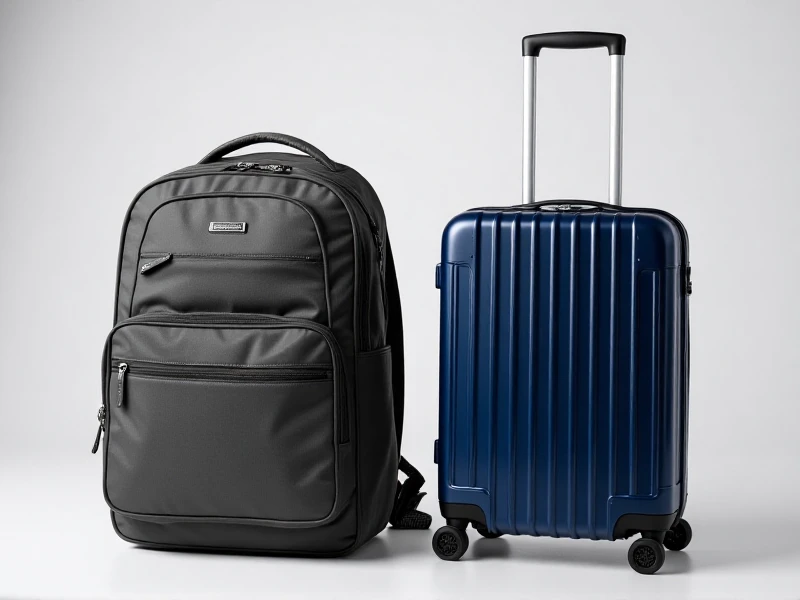
Backpack Buying Guide: Finding Your Perfect Adventure Companion
Picking the right backpack is essential for comfort, efficiency, and enjoyment, whether you're tackling rugged mountain trails, commuting through the city, navigating a bustling airport, or hitting the campus library. Your backpack is more than just a sack; it's your mobile storage hub. Choosing the perfect pack can feel overwhelming, but focusing on a few key features makes the process much smoother.
1. Purpose is Paramount: What's Your Load? The most crucial factor is how you intend to use your backpack. Are you a dedicated trekker needing a large, technical backpack for multi-day hikes? A daily commuter seeking a sleek, padded backpack for a laptop and essentials? A student requiring ample space for textbooks and a water bottle? Or perhaps a savvy traveler needing a durable carry-on-compliant backpack? Defining your primary activity narrows your choices dramatically. Hiking backpacks prioritize torso support and weight distribution systems. Commuter backpacks often emphasize organization and theft-proof features.
2. Size and Capacity: Right-sizing Your Gear Backpack volume is measured in liters. Daypacks (around 20-35 liters) suit short hikes or daily carries. Weekend hiking backpacks typically range from 40-60 liters. For extensive backpacking trips, look for 60 liters. Students often find 25-40 liter backpacks ideal. Ensure the size comfortably holds your typical load without excessive bulk. Remember, capacity needs vary massively between carrying climbing ropes and carrying notebooks!
3. Comfort and Fit: Carry it Like a Pro A backpack digging into your shoulders or pulling on your lower back quickly ruins the experience. A proper fit involves:
- Torso Length: Many hiking backpacks come in sizes (S, M, L) based on torso measurement, ensuring the hip belt rests correctly on your hips.
- Adjustability: Look for padded, contoured shoulder straps, a supportive hip belt that transfers weight, and adjustable sternum and load-lifter straps.
- Ventilation: Mesh-backed panels on the harness significantly improve airflow and reduce sweat buildup.
- Try it On: Load the backpack with weight (use gear or weights in-store) and walk around. Ensure it feels stable and hugs your contours without pinching.
4. Durability and Features: Built to Last & Organized
- Materials: Look for sturdy fabrics like nylon (e.g., Cordura) or polyester. Higher denier numbers generally indicate greater durability. Reinforced stitching at stress points is crucial.
- Water Resistance: A water-repellent coating (DWR) protects light rain. For wet climates, consider a built-in rain cover or seam-sealed, waterproof fabric options.
- Organization: Pockets matter! External water bottle sleeves, padded laptop compartments, easy-access top lids, organizational panels, and secure zippered pockets keep essentials within reach and clutter low.
- Access: Consider how you get gear in/out. Top-loading is traditional for hiking packs; panel-loading or clamshell opening offers suitcase-like accessibility.
Choosing your perfect backpack requires matching its features directly to your specific adventures. Prioritize fit and comfort above all else – a well-fitting, appropriately sized pack transforms carrying gear from a chore into a joy. Consider your typical load, the environment you'll face, and the necessary organization tools. Invest time in trying packs on loaded; it makes all the difference. A well-chosen backpack truly becomes your trusted companion for every journey, big or small. Ready to explore our range of expertly crafted backpacks designed for every adventure? Discover your perfect carry solution today.